

Coneflower Garden Design: A Complete Guide
Are you ready to transform your garden into a riot of color? Coneflowers might just be the garden gems you’ve been waiting for. These hardy perennials not only bring vibrant hues but also attract pollinators like bees and butterflies. Join us as we jump into the intriguing realm of coneflower garden design. From selecting the right varieties to maintaining your blooming paradise, we have got you covered, without a single boring moment.
Choosing the Right Coneflower Varieties
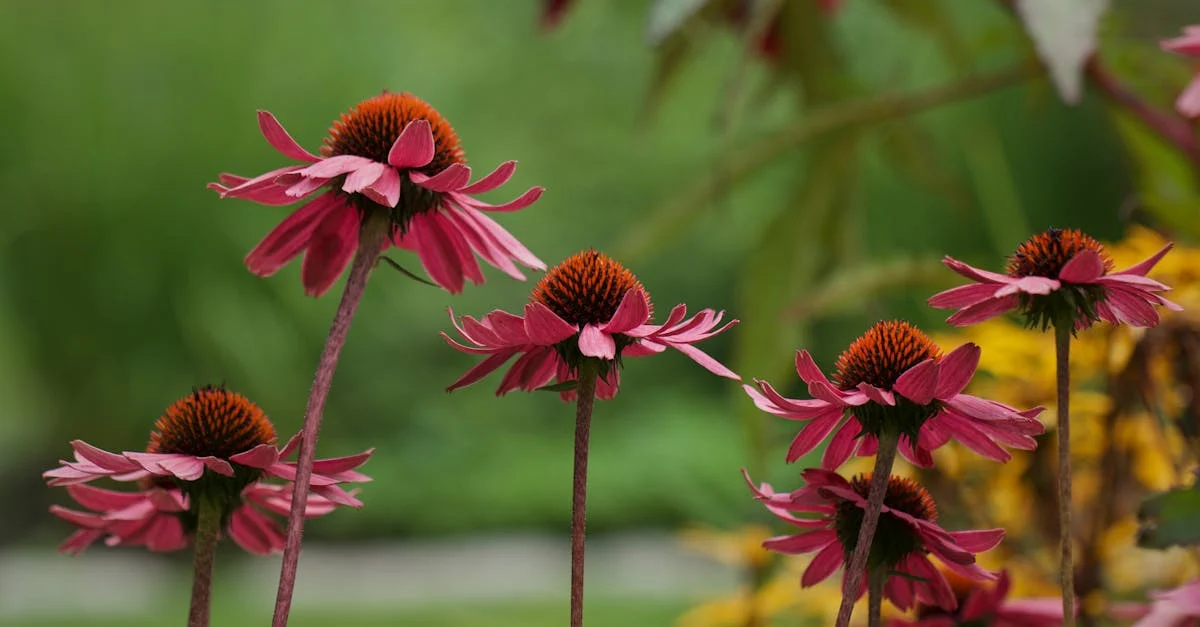
Let’s kick things off by exploring the diverse range of coneflower varieties. When we think about coneflowers, our minds often go straight to the classic Echinacea purpurea, but there’s a whole world beyond that. Each type offers unique traits, making your choices nearly limitless. Whether we fancy the vibrant pink of ‘Magnus’ or the striking white of ‘White Swan’, picking the right coneflower is essential to our overall design.
Also, don’t overlook the compact sizes available. Varieties like ‘Little Annie’ fit perfectly into smaller spaces without sacrificing charm. The best part? These beauties bloom all summer long: they’ll keep our gardens alive when other plants start to fade.
Designing with Color and Texture
Now that we’ve chosen our coneflower varieties, let’s talk design. When we design with coneflowers, we’re not just thinking about flowers: we’re imagining an entire palette of color and texture. Coneflowers are naturally eye-catching and can be a fantastic focal point. Imagine a sea of purple coneflowers nestled among soft, feathery grasses. The contrast creates a delightful visual experience for anyone visiting.
We can also play with heights. Plant taller varieties at the back and blend in some shorter blooms at the front. Effective layering creates depth, making our garden look both lush and inviting. For added intrigue, mix textures: consider pairing coneflowers with dainty, wildflower-like plants that sway gracefully in the breeze.
Planting and Maintenance Tips
We all want our gardens to flourish with minimal headaches, right? Planting coneflowers is relatively straightforward. First, make sure we choose a sunny spot, these sun-loving flowers thrive with at least six hours of sunlight daily. When planting, go for well-drained soil, as coneflowers aren’t fans of soggy roots. A bit of compost mixed into our garden bed can work wonders.
Once planted, these resilient plants are relatively low-maintenance. But, a little TLC goes a long way. Water them during dry spells, and don’t forget to deadhead spent blooms to encourage further flowering. Trust us, it’s worth the effort. With age, coneflowers can become a bit leggy, so it might be time for some division every few years.
Incorporating Coneflowers Into Your Landscape
Integrating coneflowers into our overall landscape isn’t just about aesthetics: it’s a chance to blend utility with beauty. Think about creating a pollinator garden. Combining coneflowers with other nectar-rich plants we love can attract butterflies and bees, creating a lively ecosystem right in our backyards.
We can also use coneflowers in varied settings. Whether we’re lining a pathway, filling in borders, or even using them to soften a garden edge, their versatility shines through. An area with coneflowers near a seating space offers vibrancy and a refreshing view while keeping our guests entertained with buzzing nature.
Companion Plants for Coneflowers
Now that we’ve settled on the layout, let’s consider companion plants. Coneflowers are incredibly cooperative neighbors. They thrive alongside plants like black-eyed Susans and catmint. These combinations not only complement each other visually but also optimize growth by sharing resources effectively.
Besides, we might want to think about adding some ground cover plants, like creeping thyme. They can help retain soil moisture while preventing weeds, allowing our coneflowers to shine.
Seasonal Considerations for Coneflower Gardens
Let’s not forget about the seasons. When designing our coneflower garden, we should be mindful of how it changes throughout the year. In spring, we’ll appreciate lush green growth, while summer brings the vibrant blooms we adore. Come fall, those coneflowers add texture and interest as their petals fade but the seed heads remain.
Winter presents an opportunity for beauty too. The seed heads can provide food for the birds and structure in the otherwise bare garden. By incorporating our coneflowers thoughtfully, we create a landscape that evolves, ensuring interest no matter the time of year.