

Cottage Garden Design: Transform Your Outdoor Space with Charm
Let’s face it, who wouldn’t want to step into a charming outdoor paradise? If you’ve ever been lured by the whimsical beauty of a cottage garden, you’re not alone. In fact, we’re all in this together as we explore how to bring this delightful aesthetic right into our backyards. Grab your gardening gloves and prepare for a journey through eccentric colors, exquisite scents, and that oh-so-cozy vibe that makes a cottage garden truly special.
Understanding Cottage Garden Aesthetics
Cottage gardens are not your average floral arrangements: they embody a delightful blend of charm and warmth. At their core, these gardens celebrate a sense of abundance. Imagine a riot of colors, textures, and scents weaving together to create an inviting atmosphere.
You might think, “What does that really mean?” Well, picture English country homes surrounded by flourishing flowers spilling over pathways, and wild, untamed plants creating an enchanting tapestry. This aesthetic embraces a relaxed feel, steering clear of rigid formal gardens. We can all appreciate that laid-back, simmered-to-perfection approach, right? So, why not channel that magical essence into our own outdoor sanctuaries?
Key Elements of Cottage Garden Design
To nail our cottage garden design, we need to focus on a few cornerstone elements that capture that quintessential allure.
Selecting Plants for Your Cottage Garden
Choosing the right plants is absolutely essential. Think perennial blooms like foxgloves, hollyhocks, or daisies. These plants not only bring vibrant colors, they also ensure continuous blooms throughout the growing season. But we can’t forget about layering heights, either. Use taller plants at the back of the bed and shorter ones at the front to create depth. Your garden should feel like a beautiful painting, full of contrast and balance.
Incorporating Hardscaping Features
Next up is the hardscaping, which adds structure to the free-flowing design of our cottage garden. Consider including quaint pathways made from cobblestones or brick, winding their way through the flora. Then toss in some rustic furniture for seating, think charming benches or a whimsical swing. These features frame our garden perfectly, guiding the eye and inviting us to sit back and relax.
Creating a Cozy Atmosphere
Now, let’s talk cozy. The beauty of a cottage garden lies not only in its flowers but also in its overall atmosphere. Imagine a space where every corner beckons you to explore. We can achieve this by layering plants with varied heights and textures, which provides visual interest and makes the garden feel alive.
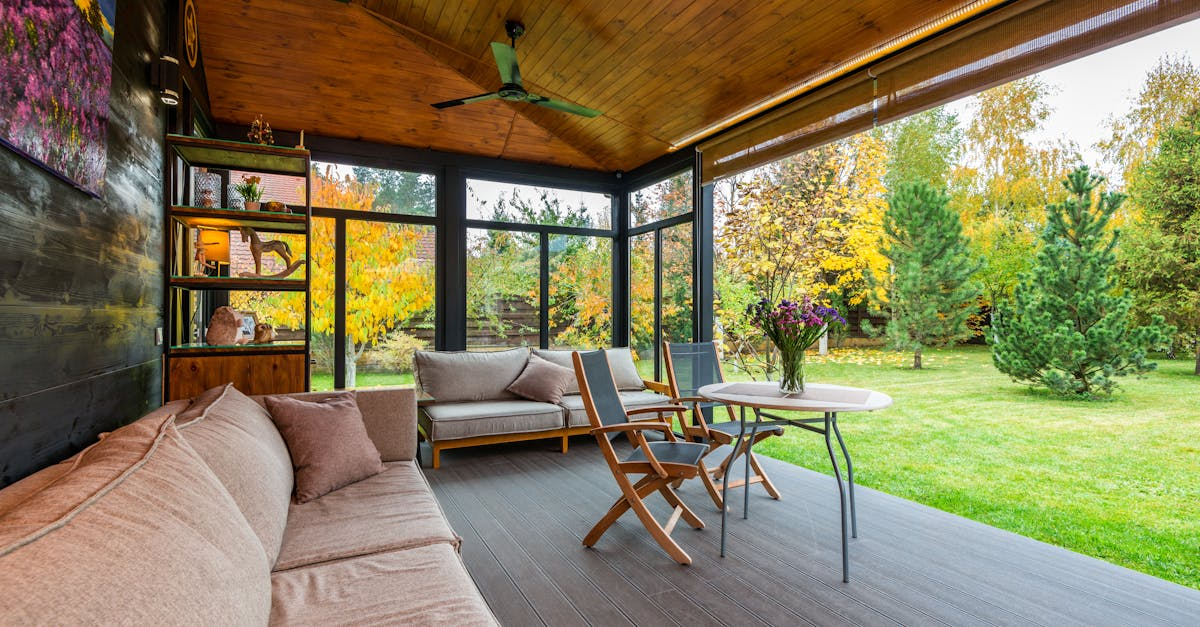
Adding soft furnishings, such as decorative cushions on seating, can enhance that comfort factor. We all love those evenings where the wind is just right, the sun is setting, and we’re sipping tea while surrounded by blooming petals. Lighting also plays a pivotal role, consider string lights or lanterns, which create a magical ambiance during twilight. Who wouldn’t want to linger just a little longer in such a dreamy environment?
Design Tips for Small Spaces
Think your backyard isn’t big enough for a cottage garden? Think again. We can adapt numerous elements of this design for smaller spaces. Vertical gardening techniques can be our best friends here. We might use trellises or hanging planters to reach new heights, encouraging a lush feel without taking up precious ground space.
Opt for smaller-scale plants, too, as well as strategic layouts that play with depth. For instance, a narrow border or a small patch overflowing with our favorite blooms transforms even the tiniest nook into a garden haven. Trust us: creating coziness in tighter areas can be incredibly rewarding.
Maintaining Your Cottage Garden
Now that we’ve set up our dreamy retreat, let’s talk maintenance. Thankfully, cottage gardens are often a bit more forgiving than their sharply trimmed counterparts. Regular deadheading ensures blooming continues throughout the season, and we can also embrace companions in planting to naturally deter pests. Think of it as a team effort.
Mulching can help with water retention and keep those dreaded weeds at bay. Plus, a good seat to relax on after all that hard work definitely makes it all worth it. We’re in this for the long haul, so maintaining our garden should be just as enjoyable as designing it.